A capital designed on purpose
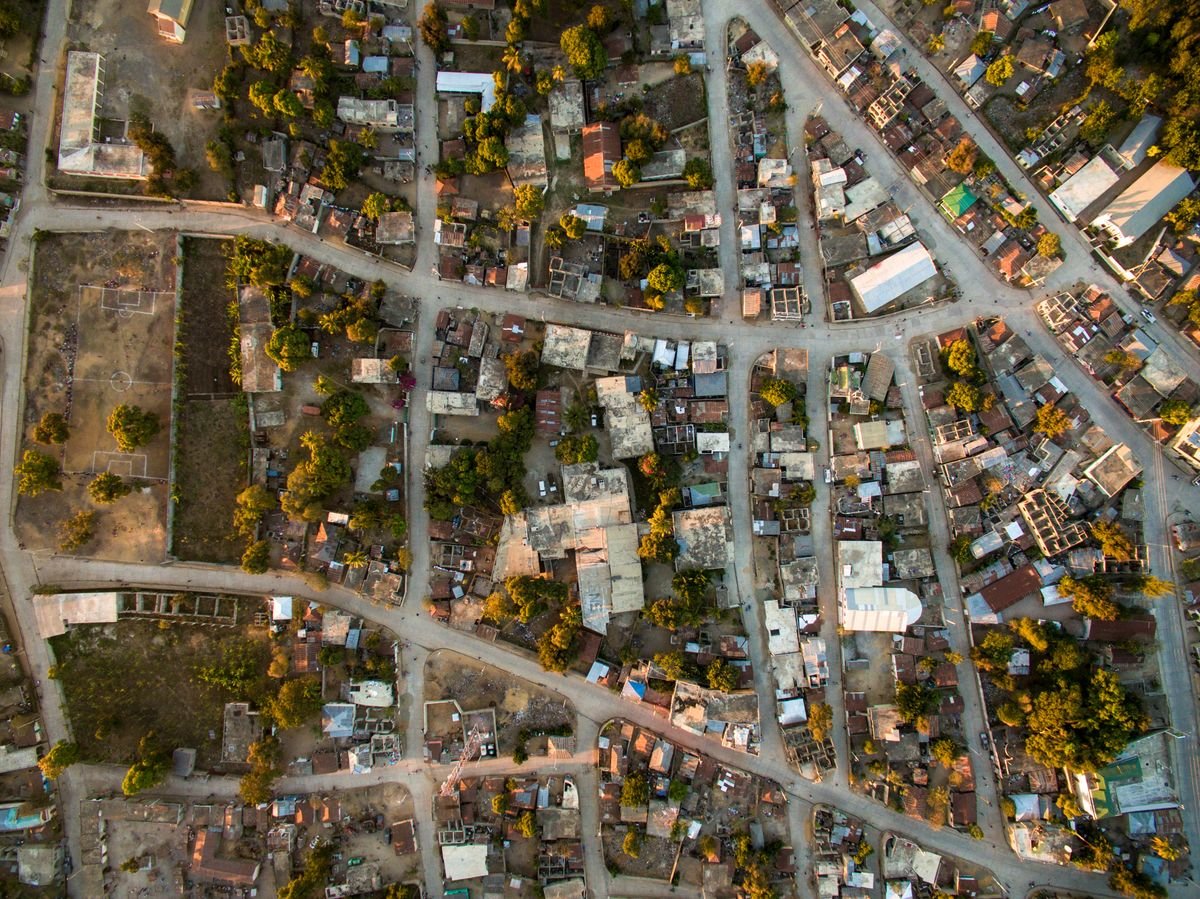
Most cities happen. Islamabad was designed. Laid out in the 1960s as Pakistan's planned capital, it follows a deliberate master plan, a grid of lettered, numbered sectors, wide roads, green belts between neighbourhoods, and zones that separate residential, commercial, institutional and protected areas. For a property buyer, that plan is not trivia; it is a map of where value is protected and where it is likely to grow.
The building blocks: grid, sectors and zones
The plan organises the city into sectors, each a self-contained neighbourhood with its own markets, mosques and parks, arranged on a grid and grouped into wider zones. Green belts sit between sectors to keep the city breathing. The Capital Development Authority (CDA) administers the plan and its approvals, which is why CDA sanctioning matters so much when you buy.
Around the CDA sectors, large approved private communities, DHA, Bahria Town and others, extend the city under their own governance.
Islamabad is one of the few cities where you can read the future in the plan. Knowing the zones tells you where value is protected and where it is growing.
ARC Developers sales team
What the plan means for your money
A planned city protects value in ways an unplanned one cannot: zoning stops a factory appearing next to your home, green belts preserve amenity, and the grid keeps access and infrastructure orderly. It also means the safest investments sit inside the plan, in approved sectors and approved communities, while the biggest risks sit in unapproved schemes trying to attach themselves to the city's edges.
The practical rule that falls out of the master plan is the same one that runs through all sound investing here: buy inside an approved, governed area, from a developer who delivers. ARC's DHA Phase-1 projects are exactly that, and you can watch them being built live.
Have questions about investing? Talk to an advisor, free.
Leave your number and our team calls you back within 24 hours with straight answers, current prices and payment plans. No pressure, no spam.
Questions people ask about the master plan
What is the Islamabad master plan?
It is the deliberate design the city was built to, a grid of lettered, numbered sectors, wide roads, green belts and zones separating residential, commercial and protected areas, administered by the Capital Development Authority (CDA).
What are Islamabad's zones?
The plan groups the city into wider zones that organise where residential, commercial, institutional and protected land sits, with individual sectors inside them. Always confirm the zoning and approval status of any specific plot before buying.
Why does the master plan matter to property investors?
Because it protects value: zoning, green belts and orderly infrastructure keep neighbourhoods desirable, and the safest investments sit inside the approved plan. The biggest risks are unapproved schemes on the city's edges.
How do I make sure a property is within the approved plan?
Confirm CDA (or DHA/RDA for those communities) approval in writing and verify land records officially before paying. Buying inside an established, approved community like DHA Phase-1, from a developer who delivers, is the low-risk route.
Ready to take the next step?
You've done the reading — now get numbers for your budget. Leave your phone and our advisory team will call you back within 24 hours.
Written by
ARC Sales Team
Investment Advisory