A city built on a grid, not by accident
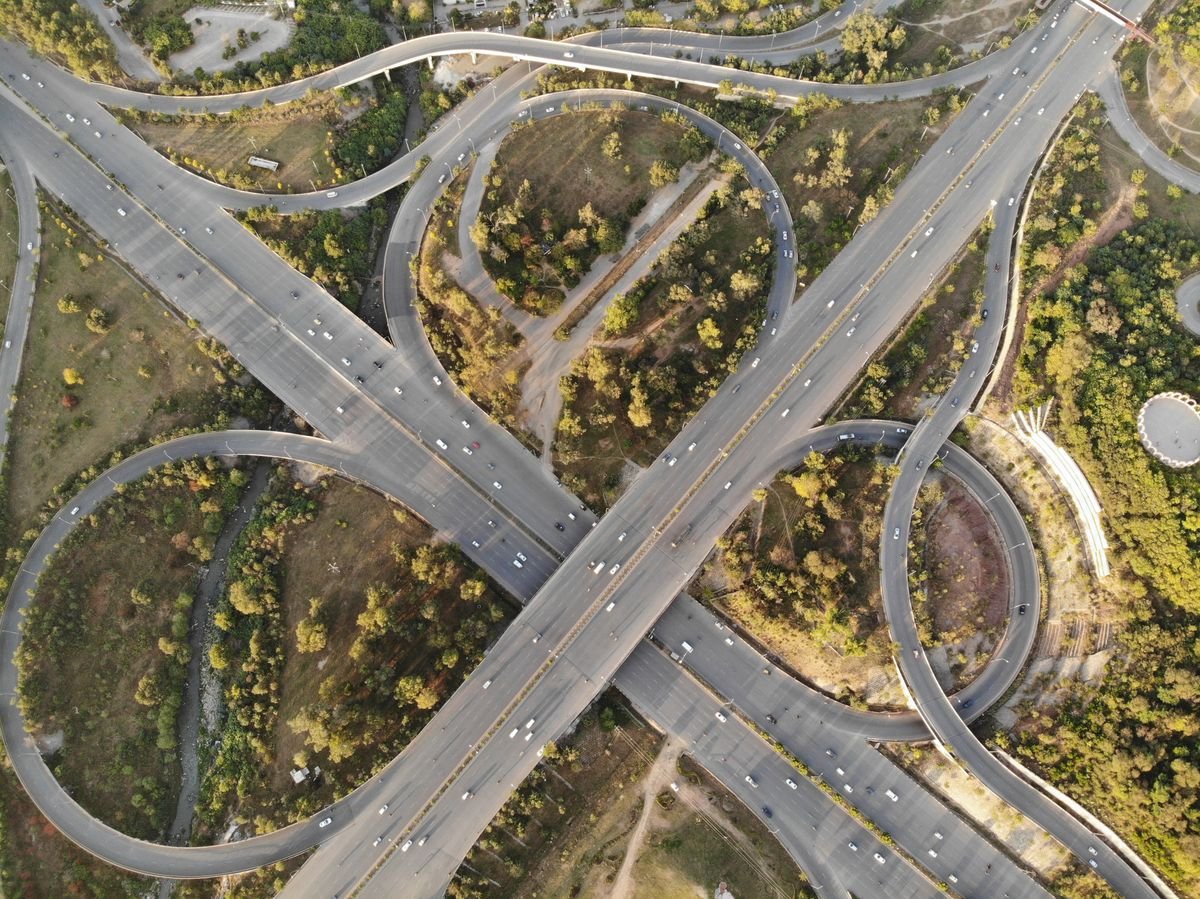
Unlike most cities that grew outward over centuries, Islamabad was designed from scratch in the 1960s as a planned capital, laid out on a grid and divided into lettered, numbered sectors. That is why addresses look like F-8, G-11 or I-10 rather than named neighbourhoods. Once you understand the system, the whole city, and its property market, becomes much easier to read.
How the sectors and zones work
Islamabad is split into series of sectors identified by a letter (its column on the grid) and a number (its row), plus wider zones. As a rough, plain-language guide to how the letters are generally positioned:
| Series | Generally known for |
|---|---|
| E sectors | Elevated, green, premium residential |
| F sectors | Most prestigious, central, high-value |
| G sectors | Central, mixed residential & commercial |
| H sectors | Education and institutional |
| I sectors | Industrial and more affordable residential |
| D sectors | Northern, developing residential |
Once you can read Islamabad's grid, you can read its property market. The letter and number tell you most of what you need to know before you even see the price.
ARC Developers sales team
What the grid means when you are buying
For a buyer, the sector code is shorthand for price, prestige and purpose. F and E sectors command a premium; G sectors balance access and value; I sectors are generally more affordable. Beyond the CDA sectors sit the big private, approved communities, DHA, Bahria Town and others, which run their own numbering.
The practical takeaway: always match the sector or society to your goal, and always confirm that whatever you buy is approved by the relevant authority (CDA, DHA or RDA) before you pay.
Have questions about investing? Talk to an advisor, free.
Leave your number and our team calls you back within 24 hours with straight answers, current prices and payment plans. No pressure, no spam.
Questions people ask about Islamabad's layout
How are Islamabad's sectors named?
Islamabad is laid out on a planned grid, so sectors are identified by a letter (the grid column) and a number (the row), for example F-8 or G-11, rather than traditional neighbourhood names. The Capital Development Authority (CDA) governs the sectors.
Which sectors of Islamabad are the most expensive?
The F and E series are generally the most prestigious and high-value, thanks to central or elevated locations and mature infrastructure. G sectors balance access and value, while I sectors tend to be more affordable.
What is the difference between CDA sectors and DHA or Bahria?
CDA sectors are the government-planned lettered sectors of Islamabad. DHA, Bahria Town and similar are large private, approved communities with their own phases and numbering. Both can be sound, but always verify approval for the specific plot or project.
Where does ARC Developers build?
ARC builds commercial and mixed-use developments in and around DHA Phase-1, Islamabad, a secure, established, master-planned community. Our head office and Oasis Tower are both in DHA Phase-1.
Ready to take the next step?
You've done the reading — now get numbers for your budget. Leave your phone and our advisory team will call you back within 24 hours.
Written by
ARC Sales Team
Investment Advisory